









Would you like to have a fully automated blog on any topic directly on your website? Click to learn more.
Definitive Guide to Setting Up a Cubase Cue Template: Efficient Automated Workflow
Streamline Your Cue Setup with Track Presets
This guide focuses on automating the cue-specific project setup in Cubase, particularly for Kontakt-based orchestral templates. By separating content (the libraries and articulations loaded) from the container (the project framework with routing and effects), you can significantly enhance your workflow. This strategy leverages a pre-built cue template, track presets, and macros to establish everything in a single action. The result is a repeatable starting point that maintains cue consistency across sessions, granting you more time to concentrate on the musical work at hand.
Creating a Structured Cue-Level Project Template
Begin by designing a standard instrument layout representative of a typical orchestral cue. This setup should include strings, brass, woodwinds, percussion, and keys, each routed to dedicated group buses. For each instrument group, insert a Kontakt instance loaded with a relevant library, such as a multi-instrument patch or individual instruments. Clearly label each track (e.g., Violin I – Kontakt, Brass – Horns, Woodwinds – Flutes).
Ensure this initial setup encompasses a minimal yet functional effects chain, incorporating a gentle reverb send, basic EQ, and a bus-wide compressor on the group bus. This way, your template starts with a cohesive sound immediately upon playback. Save this arrangement as a Track Preset for seamless reuse in new cues, allowing you to maintain a consistent structure without manual recreation.
Developing Your Cue Factory Project Template
Next, construct a project template that serves as a cue factory. Set up a specific folder for cue materials and implement a cue-numbered naming scheme, including a straightforward marker track to indicate sections (A, B, C). The template should feature commonly used tempo and time signatures, with room for adjustment per cue as necessary.
Pre-route instrument group buses to a master bus and a return chain for shared effects, ensuring that common processing applies uniformly across cues. Save this entire configuration as a Cubase Project Template under a title like “Orch Kontakt Cue Template.” When initializing a new project from this template, a robust foundation is laid, allowing you to direct your focus toward musical content rather than setup.
Automating Cue Content Instantiation with Macros
In Cubase, create a Macro that automates the process of instantiating cues from the templates. This macro should duplicate the instrument tracks from the template into the active project, assign them to the appropriate group buses, and rename them with a cue prefix followed by a numeric suffix (e.g., Cue_01_ViolinI, Cue_01_Brass). The macro should also load a default Kontakt patch into each instance or leave them prepared for your chosen patch.
To enhance usability, attach the macro to a keyboard shortcut or a Node command, allowing a single keystroke to execute the complete setup: tracks will appear, routing will be established, and your session will be ready for action. If you use a third-party controller, map UI actions to familiar articulations or patches, minimizing manual dragging and dropping.
Validating and Optimizing Your Setup
After creating your cue, conduct thorough testing. Press Play to confirm that MIDI notes properly trigger the Kontakt channels and that the group buses route correctly to the master bus. Ensure that the pre-configured effects chain operates as intended and verify there’s no excessive CPU load caused by preloading too many samples.
If you encounter latency or sluggish keyboard response, adjust the Disk Streaming or Buffer settings, specifically the pre-load amount for Kontakt. This will help to find a balance between performance and realism. It’s crucial to listen for phase alignment across sections and confirm that each cue maintains the expected spatial depth and dynamic balance per your original template.
Should any issues arise, revert to your template to correct the macro or preset, then re-save the cue.
Rendering and Documenting Your Cue
Before passing your work to picture, execute a quick stem export to showcase the cue in context. This should include exporting a short stereo mix of the cue and a few stem tracks for strings, brass, woodwinds, and percussion. Document the cue’s configuration meticulously: note which Kontakt library patches were utilized, how many outputs were assigned, and the macro or template version that generated the setup.
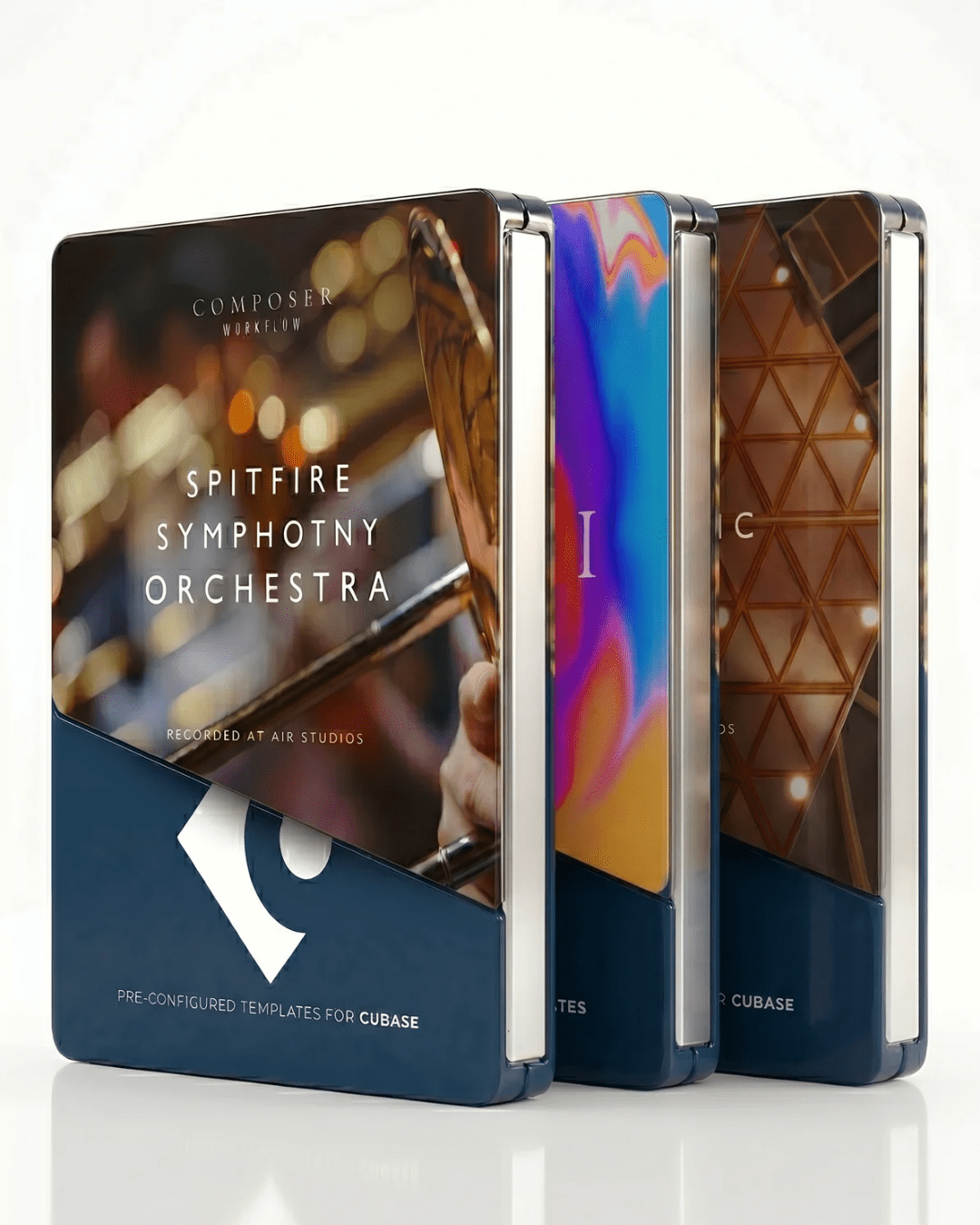
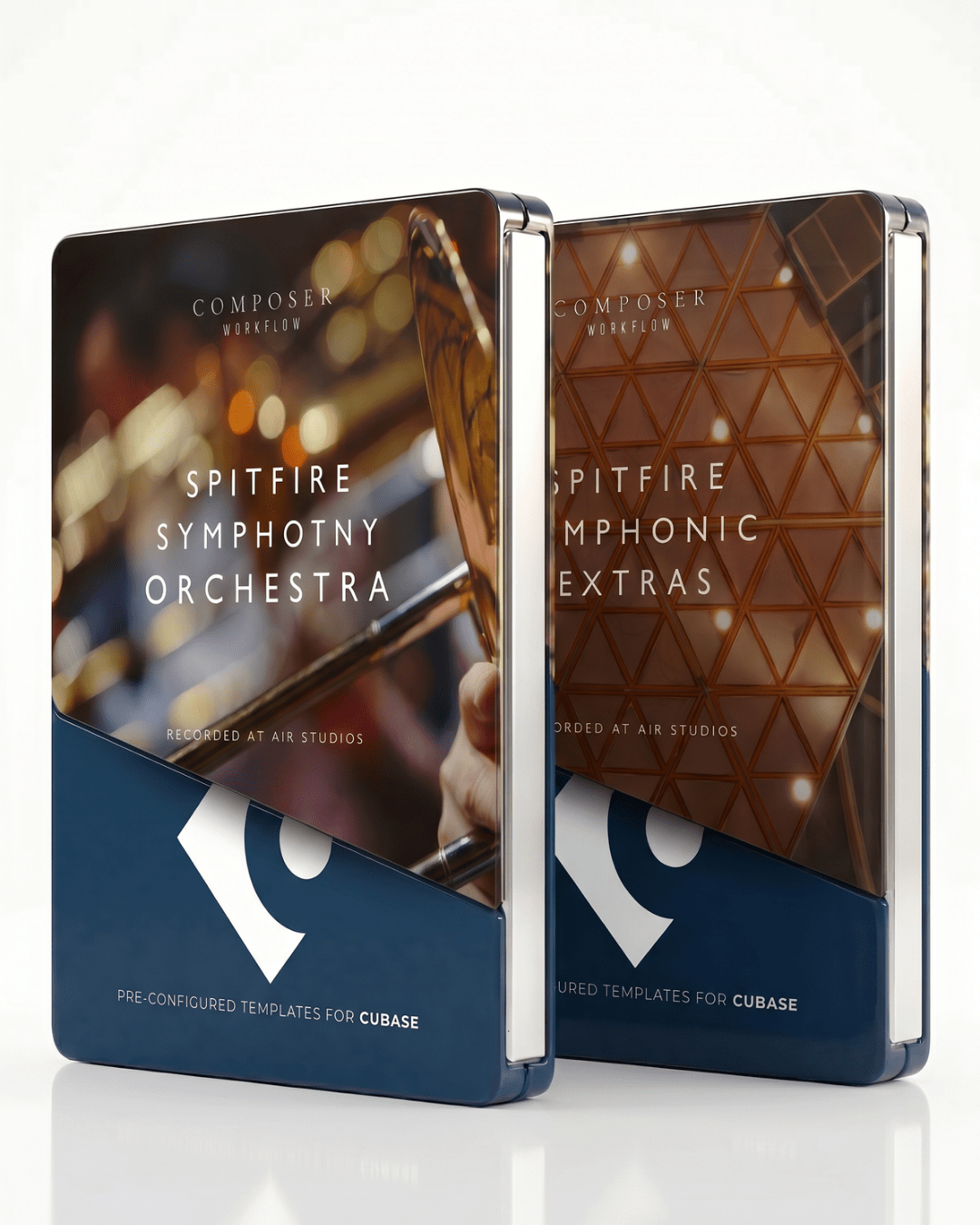
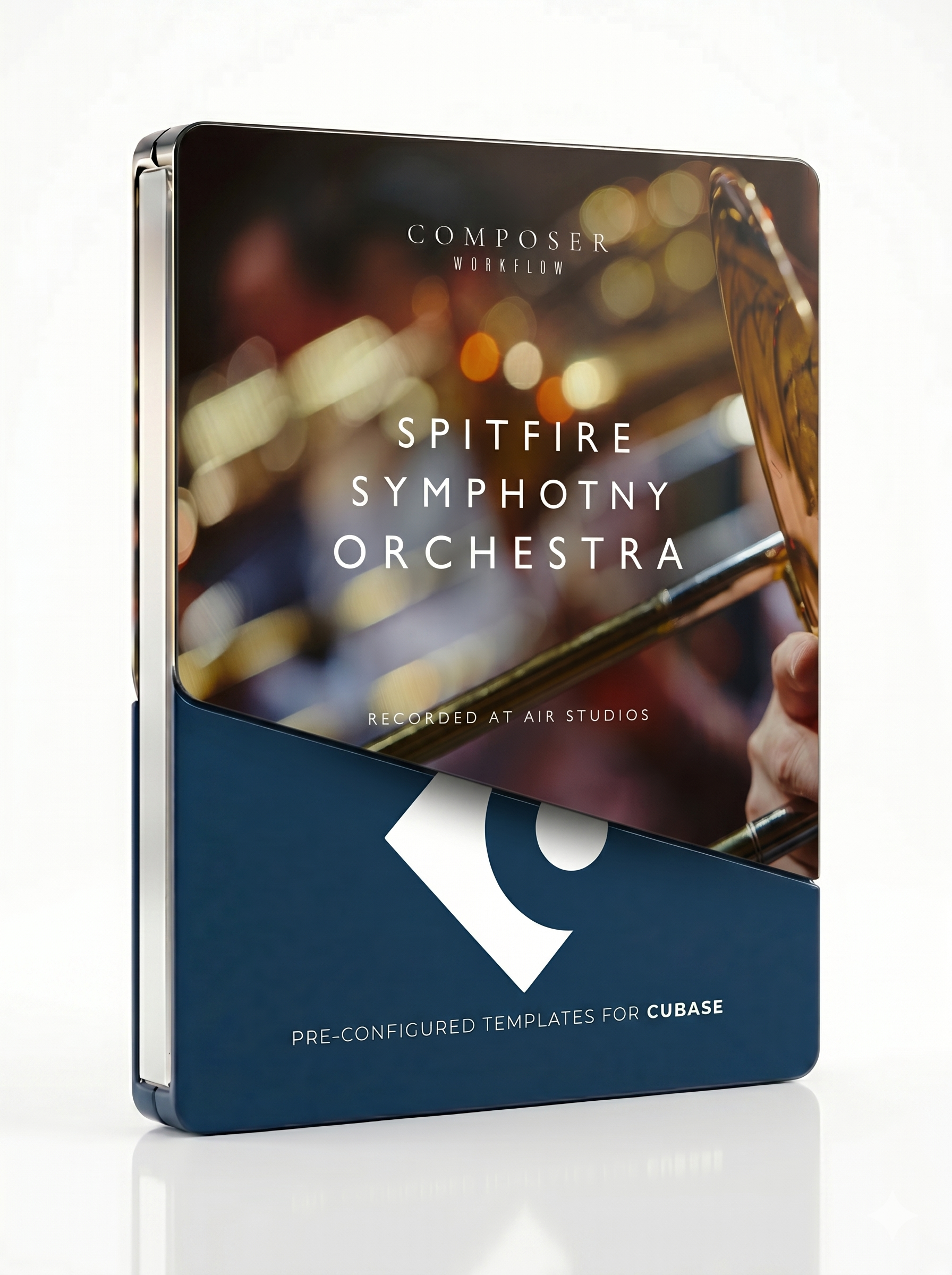
Maintain a structured library or template repository with versioning, allowing artists and editors to reproduce the same starting point for future cues. The incorporation of Composer Workflow can save you hours of setup time through pre-configured templates and expression maps, making it an invaluable resource for efficient music production.
In summary, this approach presents a time-saving cue setup for Cubase that allows you to focus primarily on the music rather than the workflow intricacies. By utilizing track presets, macros, and organized project templates, you create a streamlined process that enhances your creative output.