







Would you like to have a fully automated blog on any topic directly on your website? Click to learn more.
Modular Music Production: Optimize Your Creative Workflow
INTRODUCTION
Embrace a modular mindset to effectively translate your creative vision into scalable templates. By combining human artistry with machine-guided suggestions, you can sustain your distinctive voice while streamlining collaboration and asset management across devices and teams. This strategy allows you to scale the production process, whether you’re working on solo projects or large-scale, cross-continental collaborations.
INNOVATIONS IN MUSIC PRODUCTION TECHNOLOGY
In today’s studios, advanced technologies like adaptive templates, signal processing improvements, and rapid rendering capabilities have become essential tools. A transformative approach starts with templates that consider mood, tempo, and genre, enabling you to create initial sketches that reflect intentionality rather than randomness. Select instrument families that resonate with a specific vibe, allowing the template to auto-route chords, rhythmic patterns, and dynamics automatically. This method minimizes setup time, centering your focus on a crucial question: what narrative does the music convey at this moment?
Real-time analysis tools are invaluable, providing insights into tonal balance and energy distribution as you develop ideas. This immediate feedback supports a seamless workflow, resultantly creating a living framework that evolves alongside your preferences and scales according to project size.
AI AND AUTOMATION IN MUSICAL COMPOSITION
Artificial Intelligence can significantly enhance your composition process by proposing harmonic progressions, generating melodic fragments, and scaffolding arrangements according to your stated preferences. When viewed as collaborators rather than assistants, these tools can offer alternatives you might overlook. The secret lies in establishing guardrails: specify constraints regarding style, complexity, and register to refine the AI’s suggestions through a musician’s lens.
Utilize AI to initiate drafts, then take charge of the refinement process, focusing on phrasing, articulations, and emotional storytelling. Watch for overfitting or repetitive patterns to ensure originality and distinctiveness remain intact. The objective is to expedite the exploration of creative possibilities while maintaining authenticity in your musical expression.
ORGANIZING WORKFLOWS FOR MODULAR PRODUCTION
Structure your projects around modular components such as starter ideas, development tracks, transition cues, and completion points. Each modular block corresponds to an array of stems, MIDI data, audio, tempo, and dynamic metadata that can be easily reconfigured for different contexts. This flexible structure is particularly beneficial when adapting compositions for diverse media, including film, gaming, or streaming.
A well-curated library featuring stock phrases, rhythmic motifs, and tonal palettes functions as a personal instrument rack, allowing for rapid combination cycling. Implement macro controls to adjust overall mood or energy with a single knob turn.
ENHANCING COLLABORATION THROUGH CLOUD-BASED WORKFLOWS
For remote teams, leveraging shared libraries, versioned project files, and controlled access is crucial. Cloud-based assets mitigate challenges that arise when collaborators operate from different studios or locations. Maintaining a robust workflow is vital, allowing editors and producers to trace back decisions to their origins.
Standardizing on data-rich session files and consistent metadata makes interoperability across Digital Audio Workstations (DAWs) easier. This uniformity leads to faster review cycles, effortless handoffs, and smoother integration with post-production or game development pipelines.
PRACTICAL GUIDELINES FOR EFFECTIVE IMPLEMENTATION
Start by auditing your current templates and honestly identifying bottlenecks in your workflow. Align your creative intentions with modular blocks, then craft a selection of core templates that encapsulate your most commonly used moods and genres. Set up macro controls to regulate velocity, dynamics, and timbre, and establish a versioned folder system to document stems, alternates, and endings.
Introduce automation gradually, beginning with non-destructive enhancements such as suggested voicings, rhythmic variations, or arrangement scaffolds. Validate each adjustment critically, ensuring a manual override is available for moments when intuition should take precedence. Schedule regular assessments to prune, refine, and expand your library, synchronizing it with your evolving musical voice.
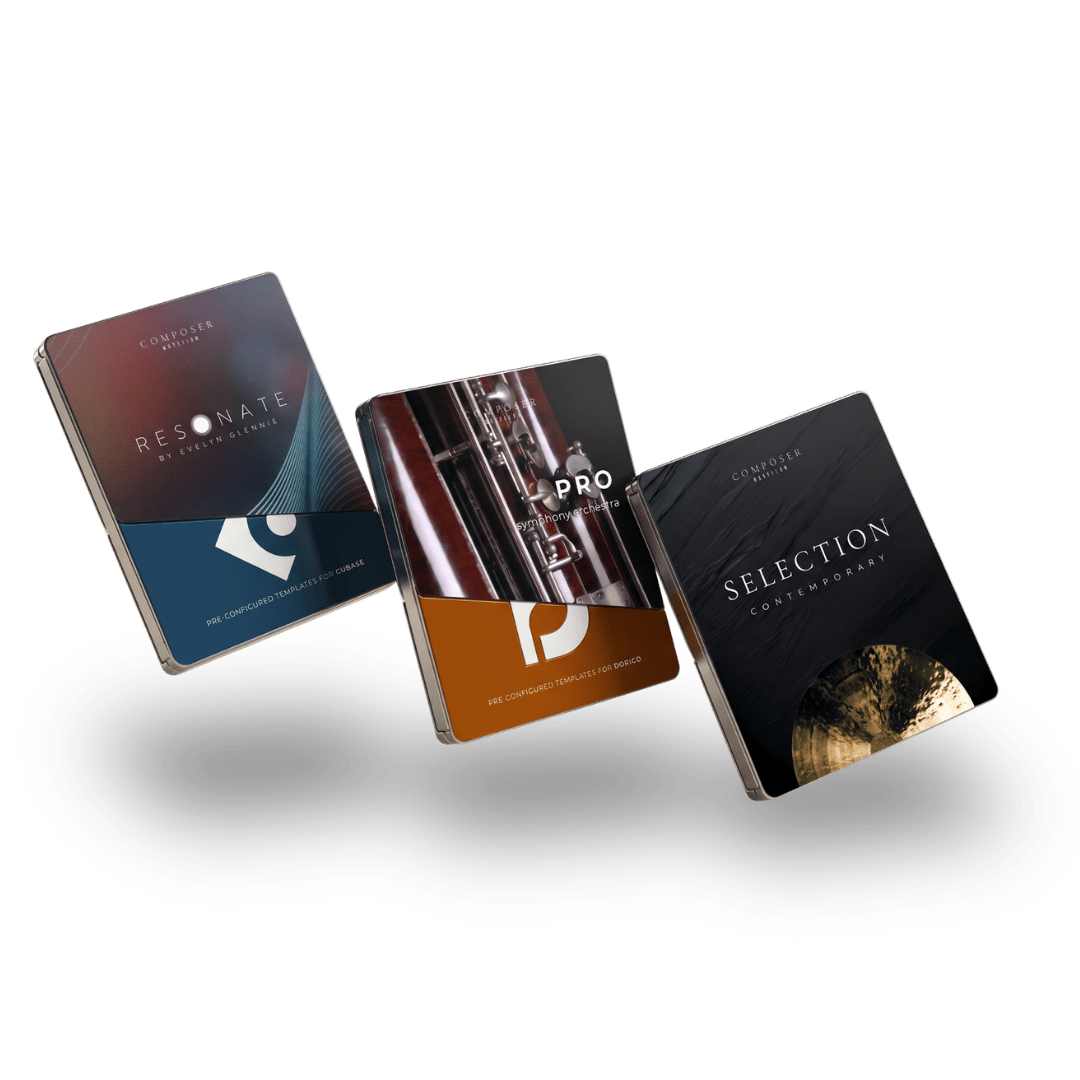
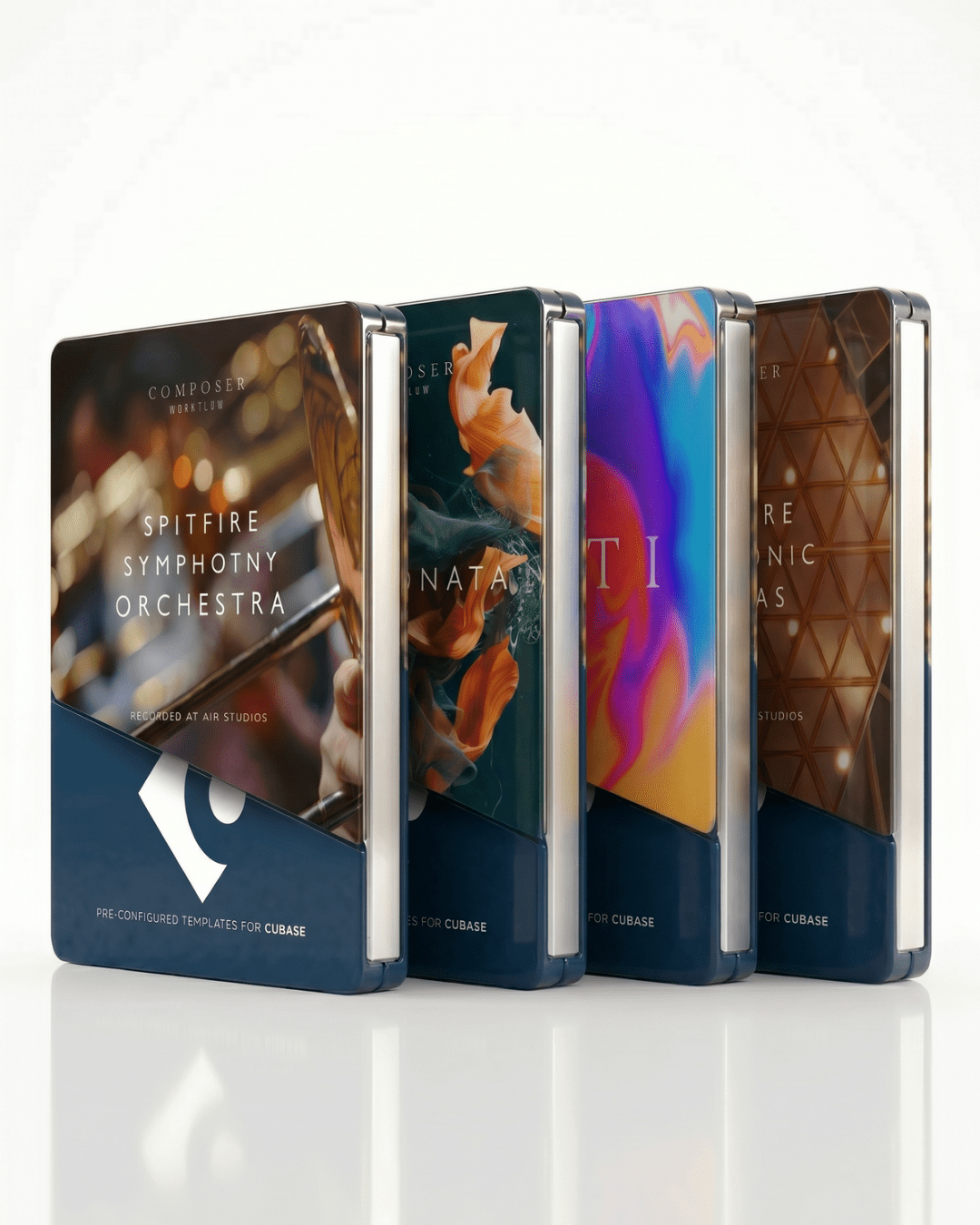
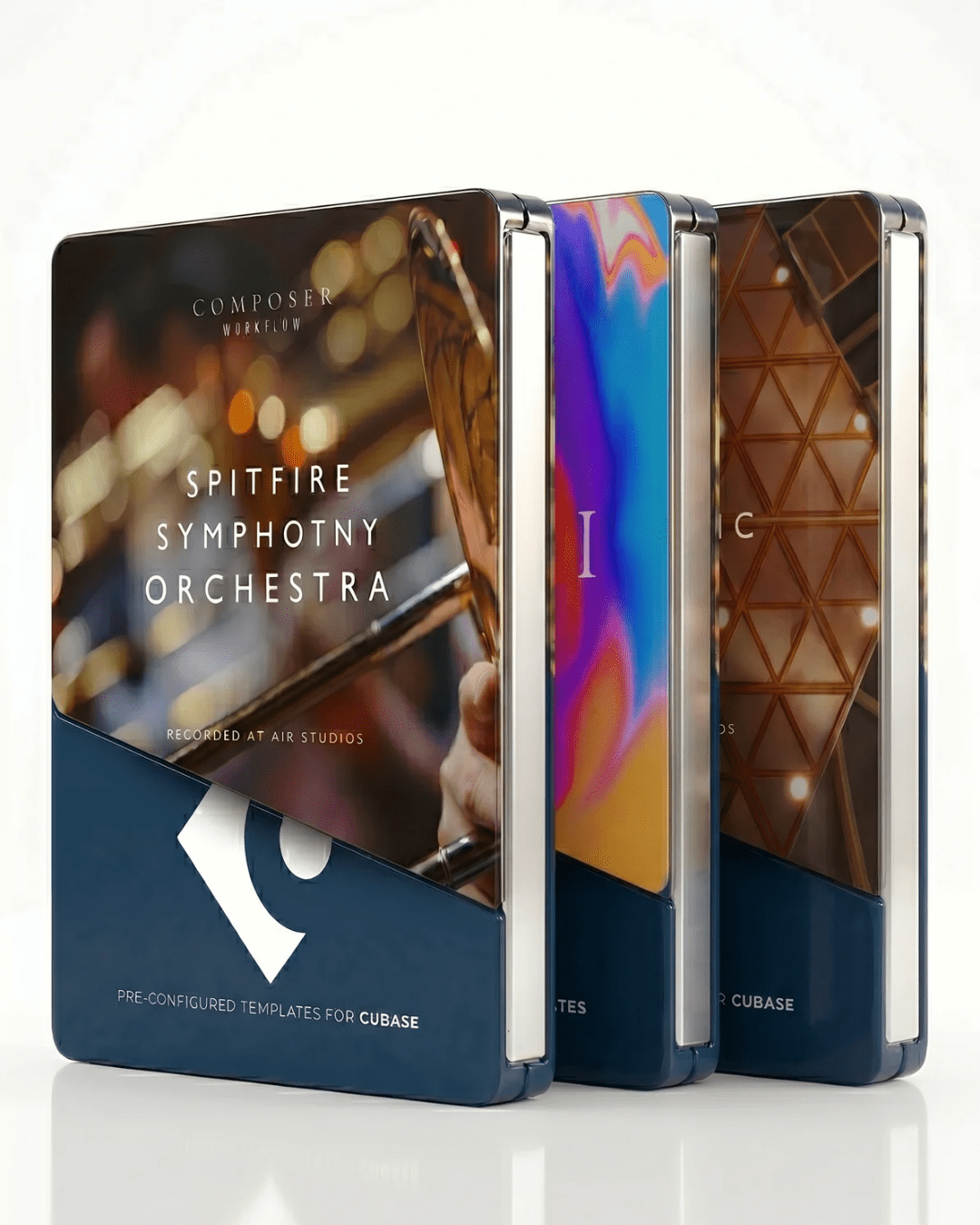
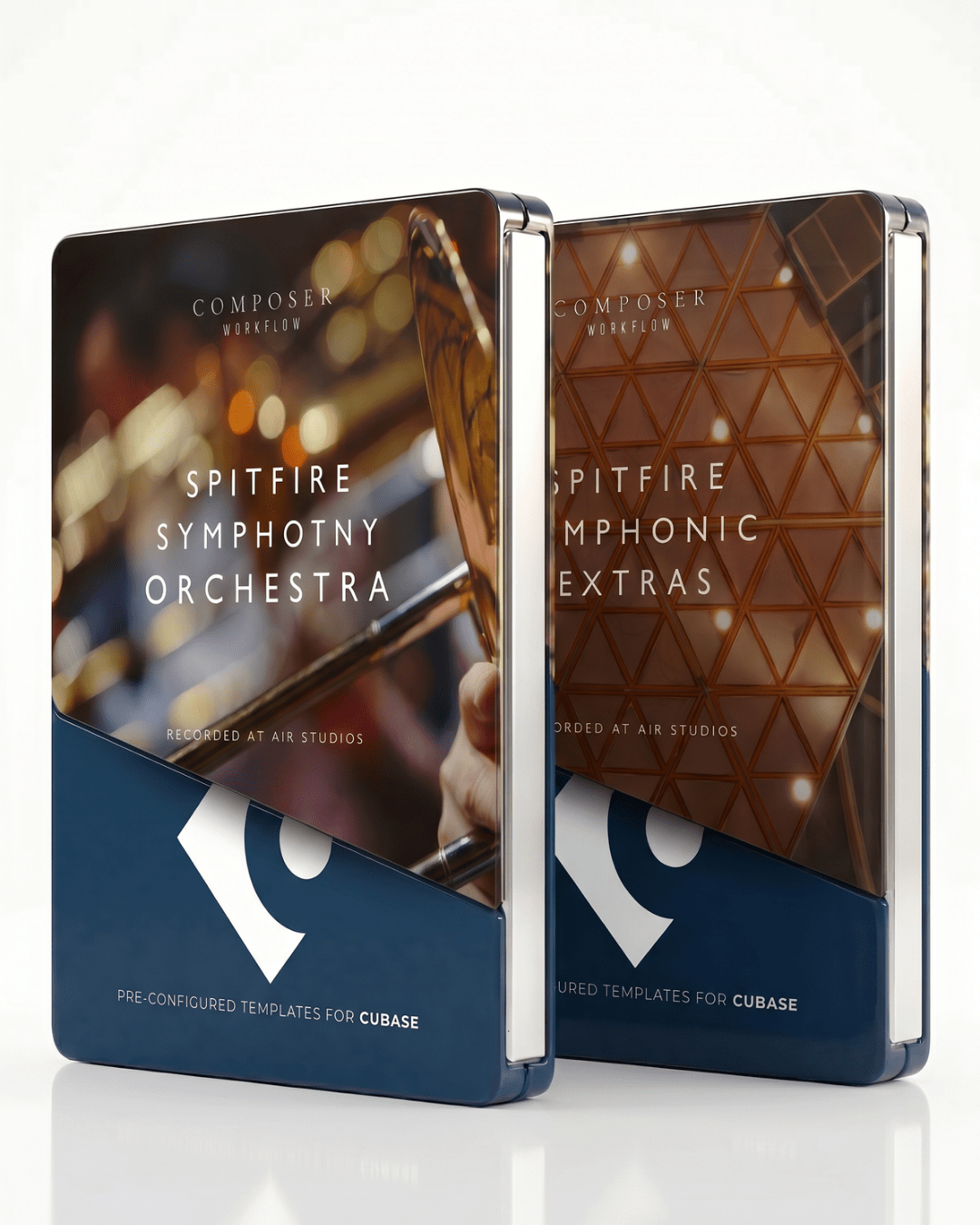
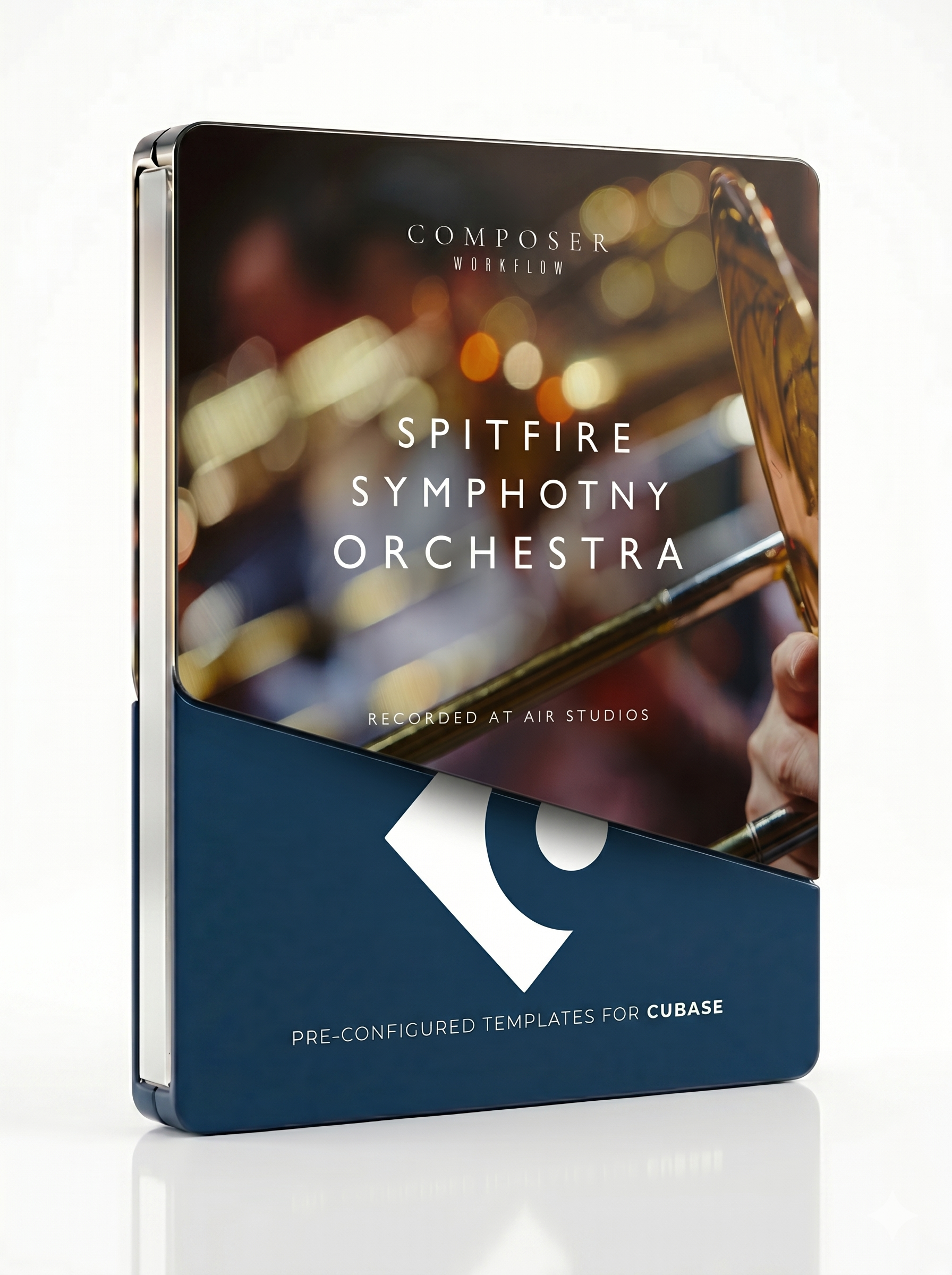
For those looking to streamline setup time, consider leveraging Composer Workflow—a solution that offers pre-configured templates and expression maps, saving you hours on project setup while allowing you to dive straight into creativity. Ultimately, this approach accelerates your creative process while honoring your unique musical identity.